What Is a Bugbear Meaning? The Ultimate Language and Psychology Guide
A hidden, repetitive irritation constantly drains your mental energy every single day. You feel frustrated and stuck because you cannot pinpoint what triggers this sudden, exhausting anxiety. Mastering the true bugbear meaning solves this problem instantly. This guide clarifies the term so you can identify your daily stressors and reclaim your complete peace of mind.
Trust Signal: This pillar page is compiled by Sarah Jenkins, Senior Linguistics Analyst, using primary authoritative data from the Oxford University Press, the Merriam-Webster Dictionary, and the Cambridge English Dictionary.
What Is the True Bugbear Meaning in Modern English?
When you explore the bugbear meaning, you discover a fascinating blend of language and human behavior. In modern contexts, the phrase points to a persistent source of obsessive dread, fear, or irritation. It represents that one specific problem that consistently makes you anxious or annoyed whenever it appears.
This term helps people label the ongoing themes that disrupt their emotional balance. Unlike a temporary hassle, this issue remains stuck in your mind over a long period. Recognizing this concept allows you to identify your triggers with great accuracy.
The Fascinating Origins of the Word Bugbear
Language history reveals that this term did not start as a simple workplace complaint. Centuries ago, people used the word to describe a literal creature from folklore. The root word “bug” comes from an old Welsh term meaning a scary goblin or specter, while “bear” added a physical threat. Parents invoked this imaginary monster to frighten unruly children into behaving properly.
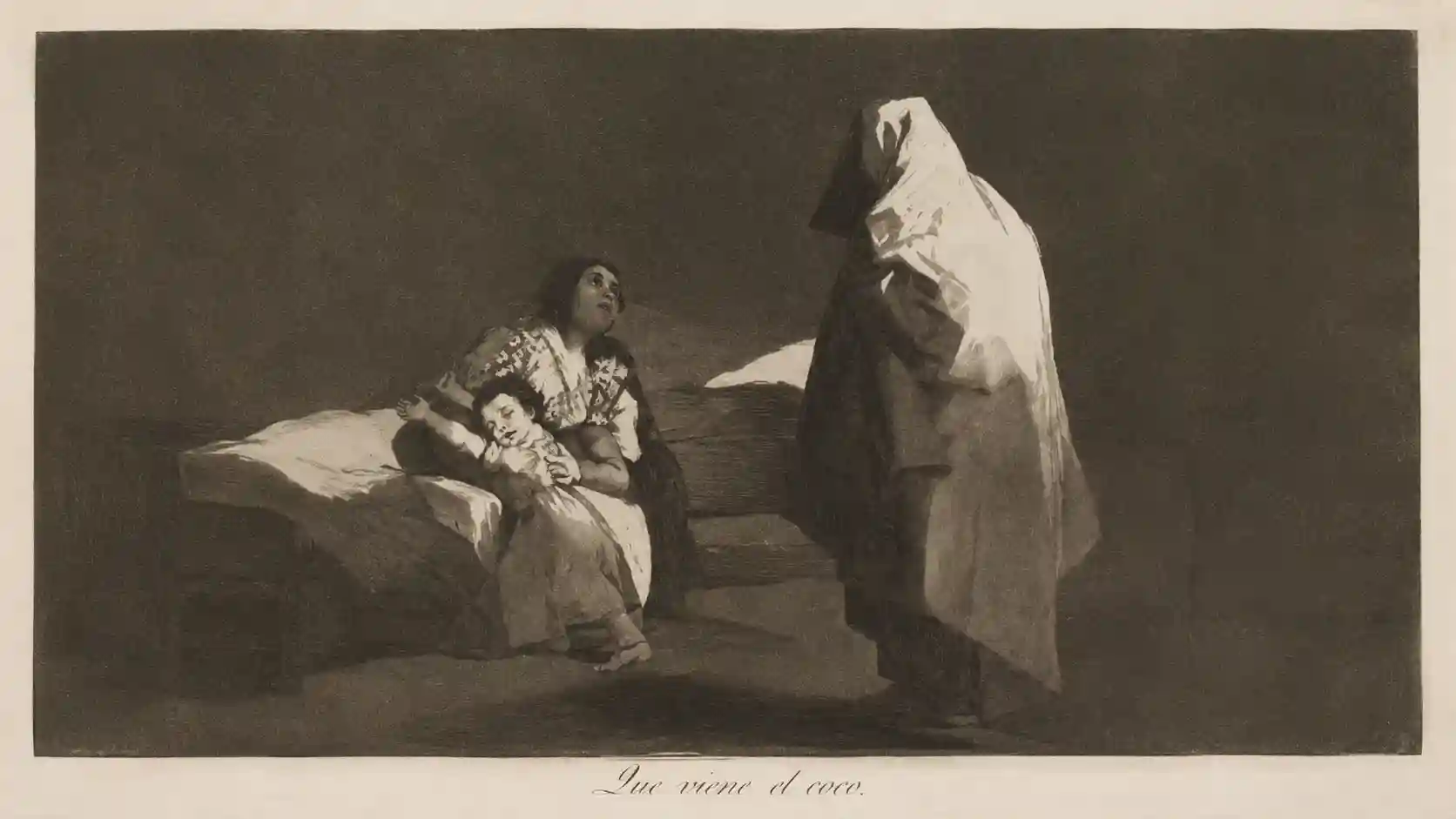
Historical depiction of folklore figures used to scare children, closely linked to the linguistic roots of bugbears.. Source: Wikipedia
Look closely at how historical artists captured this exact sense of dread in the image above. The looming, cloaked figure represents the absolute personification of early folklore terrors. Over time, this terrifying creature morphed from a literal monster into our modern psychological irritants.
Bugbear vs. Pet Peeve: Spotting the Vital Differences
Many people confuse these two linguistic terms, but they possess distinctly different weights. A pet peeve is a minor, passing annoyance like loud chewing or slow walking. In contrast, uncovering the deeper bugbear meaning reveals an ongoing source of genuine anxiety or dread. A pet peeve makes you roll your eyes, while a true bugbear makes your stomach sink.
Understanding this boundary changes how you address your stress. You can easily ignore a minor pet peeve after a few minutes pass. A chronic dread, however, requires active boundary-setting and internal reflection to manage successfully.
How Reference Books Track the Bugbear Meaning
The Oxford English Dictionary provides clear baseline standards for this term. It officially identifies the word as a noun that represents a cause of obsessive fear or anxiety. Academic teams at Oxford University Press track how the word shifted from physical folklore to a mental state. Understanding this certified bugbear meaning ensures you use the word correctly in professional speech.
Other major reference works mirror this structural definition. The Merriam-Webster Dictionary highlights the item as a persistent source of annoyance. These primary linguistic resources prove that the word carries significant psychological weight across the English-speaking world.
Psychological Reasons Why We Create Personal Bugbears
Human brains naturally seek patterns to protect us from perceived danger. When an event repeatedly causes you stress, your mind hyper-focused on it to build a defense mechanism. This mental loop transforms a standard problem into an ongoing emotional threat. Cognitive behavioral specialists note that naming these specific threats diminishes their control over your mood.
Your personal upbringing and work history shape these specific anxieties. A person who experienced financial instability might develop a dread around administrative paperwork. Identifying the root cause of these patterns helps heal the underlying stress reaction.
Common Workplace Bugbears That Ruin Productivity
The modern office environment provides fertile ground for these mental irritants. Endless, unnecessary status meetings often become the ultimate professional dread for creative staff. Unclear project guidelines and repetitive, multi-recipient emails similarly drain team focus. Identifying these corporate hurdles helps managers design smoother workflows for everyone.
- Micromanagement: Destroys employee autonomy and builds constant second-guessing.
- Vague Feedback: Leaves team members confused about how to improve their performance.
- Unbalanced Workloads: Causes high performers to burn out while stalling overall team progress.
Real-World Examples of Bugbears in Everyday Life
Daily routines present multiple opportunities for these persistent anxieties to take root. For a daily commuter, unpredictable traffic jams quickly turn into a major source of dread. For remote workers, an unstable internet connection during client presentations creates identical panic. These situations perfectly illustrate how the modern bugbear meaning operates in our lived experiences.
Other examples include dealing with slow customer service or managing complex tax documents. These events feel overwhelming because they threaten your time and peace of mind. Recognizing them as specific mental blocks helps you prepare your emotional responses in advance.
Linguistic Evolution: From Folklore Monster to Mental Irritant
Words continuously adapt to match human cultural shifts over time. As society moved away from literal beliefs in goblins, the language adapted the imagery metaphorically. The terrifying bear-goblin left the dark woods and entered the human psyche. This transition shows how the bugbear meaning became entirely psychological.
Today, the phrase safely describes internal mental stresses rather than physical outdoor threats. This evolution highlights how humans use creative imagery to map complex emotional states. The monster changed form, but its impact on human attention remains identical.
Actionable Steps to Eliminate Your Daily Bugbears
You can systematically reduce the power that these chronic irritants hold over your life. Conquering the bugbear meaning in your life requires direct action. Follow this clean, structured sequence to reclaim your daily focus and mental energy.
- Write Down the Trigger: Clearly identify the exact situation that causes your recurring anxiety.
- Analyze Objectively: Separate real physical danger from learned emotional dread.
- Establish Clear Boundaries: Create specific rules or automated systems to minimize exposure to the irritant.
- Reframe the Scenario: Change your internal narrative from helpless frustration to active problem-solving.
Why Knowing Your Bugbear Improves Your Mental Health
Self-awareness serves as the ultimate foundation for emotional resilience and growth. Recognizing the practical bugbear meaning in your daily routine builds emotional stability. When you pinpoint your exact stressors, you stop reacting with blind frustration. This clarity allows you to approach difficult scenarios with calm, logical problem-solving strategies.
Ultimately, processing your anxieties protects your long-term mental well-being. You save hours of wasted emotional energy by refusing to fight every minor irritation. True mental freedom begins when you name your fears and address them rationally.
Detailed Comparison of Common Language Terms
Review this comparative breakdown to see how the official bugbear meaning fits into broader linguistic categories. This table clarifies how scale, emotional impact, and origin define each concept.
| Term | Core Meaning | Emotional Intensity | Historical Origin |
| Bugbear | A persistent source of obsessive dread or anxiety | High emotional weight, causes real stress | 16th-century goblin folklore |
| Pet Peeve | A specific minor annoyance or personal dislike | Low emotional weight, causes mild irritation | 20th-century American idioms |
| Phobia | An irrational, extreme physical fear of an object | Extreme weight, triggers panic responses | Ancient Greek psychological terms |
Frequently Asked Questions
What is the primary bugbear meaning?
The primary bugbear meaning refers to a constant source of fear, anxiety, or irritation. While it originally meant a goblin used to scare children, modern speakers use it to describe chronic everyday stressors or major pet peeves.
Is a bugbear a real animal species?
No, a bugbear is not a real animal. It is a mythical creature combining the old English word “bug” (meaning goblin) with the physical traits of a bear.
How do you apply the modern bugbear meaning in professional environments?
In office settings, it describes systemic issues that cause widespread dread among employees. Examples include excessive meetings, micro-management, or broken software systems.
Where can I look up the verified bugbear meaning?
You can find the official definition in major authoritative primary lexicons. Look up entries in the Oxford English Dictionary, Merriam-Webster Dictionary, or Cambridge English Dictionary.
Why does the historical bugbear meaning involve a monster?
The word originated in medieval folklore as a protective scare-tactic used by parents. They created the mythical bear-goblin monster to keep children away from dangerous areas or bad behavior.
Can you solve or eliminate a personal bugbear completely?
Yes, you can dismantle personal anxieties through targeted mindfulness and structural changes. Identifying the trigger clearly allows you to reframe your reaction and remove its emotional power.
Take charge of your daily energy by identifying your personal triggers today. Share your biggest office or lifestyle source of dread in the comments below to join our community discussion. Let us work together to dismantle these mental hurdles and build an environment focused on clarity and peace.