The Complete Hypackle Guide: Transform Your Fishing Tackle Game
You keep losing fish. Your tackle box looks like a disaster zone, and every trip feels like a guessing game.
The frustration builds each time you cast into empty water while others reel in catch after catch. A hypackle approach fixes this problem fast by organizing your gear around proven performance patterns instead of random clutter.
What Exactly Is a Hypackle System?
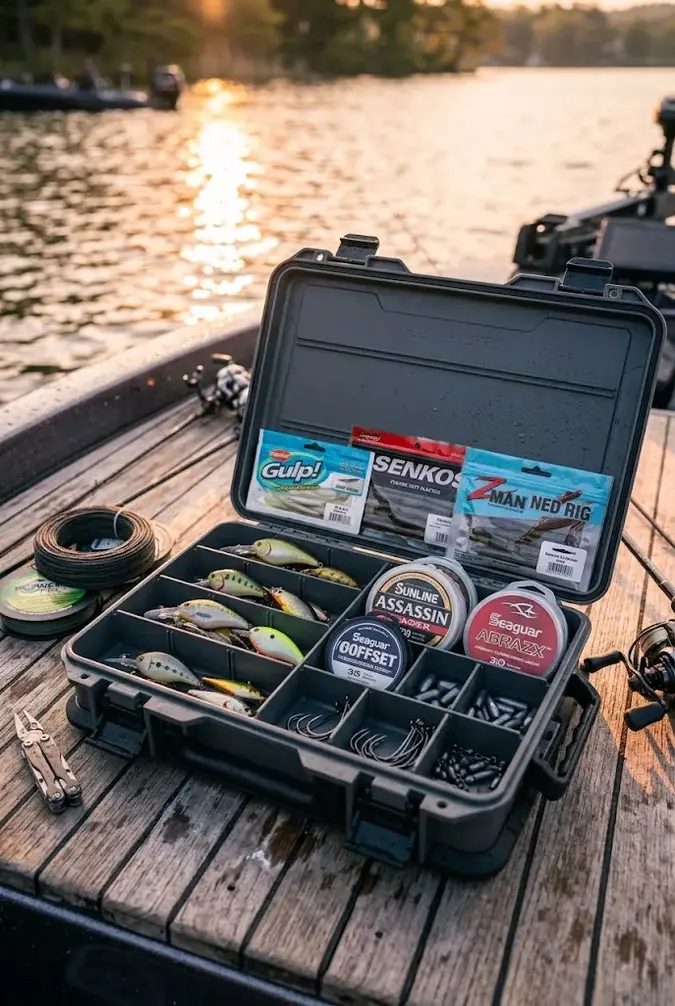
A hypackle system is a streamlined method of selecting, organizing, and deploying fishing tackle based on target species, water conditions, and seasonal patterns. Instead of carrying every lure you own, you build a focused kit that matches real fishing scenarios.
Professional anglers and weekend warriors alike adopt this method to save time on the water. You stop digging through tangled messes and start presenting the right bait at the right moment.
The core idea behind hypackle thinking centers on efficiency. Every piece of gear in your setup earns its spot through proven results, not impulse purchases at the tackle shop.
Why Does Your Tackle Organization Matter More Than You Think?
Disorganized gear costs you fish. When a bite window opens and lasts only minutes, fumbling through a messy box means missed opportunities. Studies from the American Fisheries Society confirm that presentation speed directly affects catch rates in pressured waters.
A clean hypackle setup cuts your rig-change time in half. You grab the right terminal tackle, tie on, and cast while the fish still feed actively.
Speed matters more than most anglers realize. The difference between landing a trophy and watching it swim away often comes down to seconds.
How Do You Build a Hypackle Kit From Scratch?
Start by identifying your three most common fishing scenarios. Maybe you fish shallow bass ponds, deep reservoir structure, and local river smallmouth spots. Each scenario gets its own dedicated compartment or bag.
Fill each section with no more than eight to twelve proven lures. Add matching hooks, weights, and leaders that pair directly with those lures. Strip out anything you have not used in the past six months.
This focused approach is the backbone of every successful hypackle configuration. Less clutter means faster decisions and more time with your line in the water.
Which Lures Belong in a Hypackle Setup for Freshwater Bass?
Bass fishing demands versatility, but not excess. Pack crankbaits in three diving depths, a couple of soft plastic worms in natural colors, and two topwater options for low-light periods.
Add a spinnerbait for covering water quickly and a jig for flipping heavy cover. These six categories handle nearly every bass situation you will face across seasons.
Color selection follows a simple rule. Match the local forage base. Shad-pattern lures dominate clear water, while dark silhouettes work better in stained conditions.
What Terminal Tackle Should You Never Leave Behind?
Terminal tackle makes or breaks your presentation. Stock your hypackle kit with extra-sharp hooks in sizes 1/0 through 4/0, bullet weights from 1/8 to 1/2 ounce, and barrel swivels for live bait rigs.
Fluorocarbon leaders in 8, 12, and 20-pound test cover most freshwater needs. Keep a small spool of braid for heavy cover situations where abrasion resistance matters most.
Never underestimate the value of quality split rings and snap swivels. A cheap connector failing on a big fish ruins an entire day in seconds.
How Does Season Change Your Hypackle Configuration?
Spring bass push shallow, so your hypackle setup shifts toward lipless crankbaits, jerkbaits, and soft stick baits. Summer demands deeper presentations with football jigs and deep-diving crankbaits.
Fall brings aggressive feeding, making topwater lures and swimbaits the top producers. Winter slows everything down, so finesse worms and blade baits take priority.
Rotate your gear every six to eight weeks to match these shifts. Stale setups catch fewer fish, no matter how expensive the lures inside them.
Hypackle vs. Traditional Tackle Boxes: A Direct Comparison
| Feature | Hypackle Setup | Traditional Tackle Box |
| Average setup time on water | 30 to 60 seconds | 3 to 5 minutes |
| Number of lures carried | 30 to 50 targeted picks | 100 to 200 random lures |
| Weight of gear | 5 to 8 pounds | 15 to 25 pounds |
| Decision speed during bites | Fast and confident | Slow and uncertain |
| Cost to maintain yearly | $80 to $150 | $200 to $500 |
| Beginner friendliness | High with guidance | Moderate |
| Adaptability to seasons | Quick swaps | Full reorganization needed |
This comparison shows why anglers who switch to a hypackle method rarely go back. The weight savings alone make long days on the water far more enjoyable.
What Role Does Water Clarity Play in Tackle Selection?
Clear water demands natural presentations. Use translucent soft plastics, subtle crankbait patterns, and light fluorocarbon leaders that disappear below the surface.
Muddy water flips the script entirely. Loud colors like chartreuse and black-blue create the contrast fish need to locate your bait. Add rattles and vibration to help bass find lures through sound and feel.
Your hypackle kit should include options for both extremes. Pack a small “mud box” with five to seven high-visibility lures that you grab only when conditions turn dirty.
How Do You Maintain and Refresh Your Hypackle Gear?
Rinse every lure and hook with fresh water after saltwater trips. Dry metal components thoroughly to prevent rust from destroying expensive terminal tackle overnight.
Inspect hooks for dullness every three trips. A hook that drags across your thumbnail without catching needs replacement or sharpening immediately.
Replace soft plastics that tear or lose their action. Damaged baits swim poorly and reduce strikes, even if they look mostly intact to the human eye.
What Mistakes Ruin a Hypackle Setup for Beginners?
Overpacking defeats the entire purpose. Beginners often add “just one more lure” until their streamlined kit turns back into a cluttered mess. Establish and adhere to a strict restriction.
Ignoring local conditions is another common error. A hypackle system built for Florida largemouth will fail miserably on a Minnesota walleye lake. Customize your selections to match the waters you actually fish.
Skipping the restock step also causes problems. Replace used or damaged gear within a week so your kit stays tournament-ready at all times.
Can You Apply Hypackle Principles to Saltwater Fishing?
Absolutely. Because of the vast diversity of species and habitats, saltwater anglers gain even more from targeted tackle selection. Build separate hypackle modules for inshore redfish, offshore pelagics, and surf fishing.
Inshore kits need gold spoons, soft shrimp imitations, and popping corks. Offshore setups prioritize heavy jigs, trolling lures, and circle hooks for live baiting.
Keep saltwater gear in sealed, corrosion-resistant bags. Salt air destroys unprotected metal components faster than any freshwater environment ever will.
How Does Budget Affect Your Hypackle Build?
You do not need premium lures to build an effective hypackle system. Focus your budget on hooks and line, where quality directly affects hook-up ratios and break-off rates.
Affordable soft plastics from brands like Zoom and YUM perform just as well as boutique options in most situations. Spend more on crankbaits and hard baits where action and durability justify the price difference.
Start small. Build one scenario-specific kit for under fifty dollars and expand as your confidence grows. The hypackle philosophy rewards smart spending over big spending.